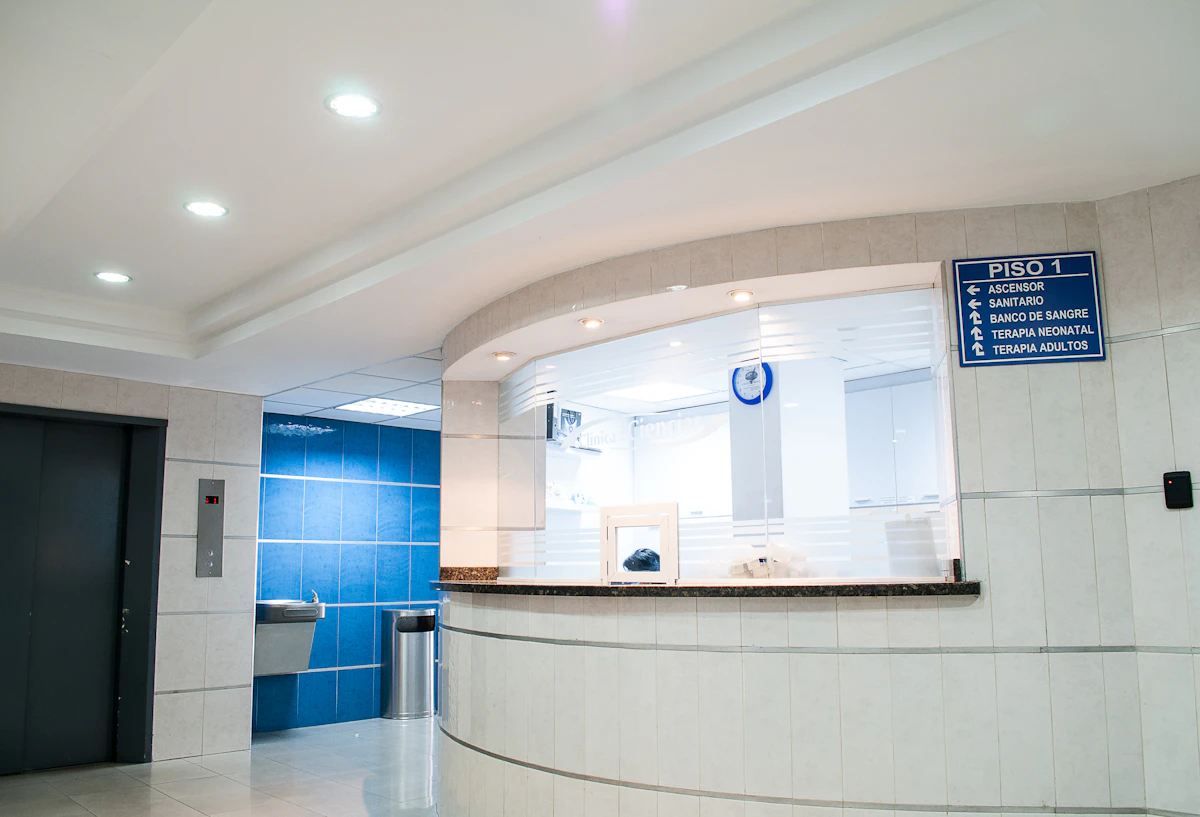
Healthcare is one of the most demanding building types in construction. Its MEP systems must meet strict codes and support patient life safety. They also need backup systems for full redundancy.
All of this pushes MEP cost well above standard commercial work. New to the topic? Start with our what is MEP estimating primer.
Why Healthcare MEP Costs More
Healthcare MEP costs 2 to 3 times more than standard commercial work. Several factors drive that premium. Here are the biggest ones.
- Redundant mechanical systems (dual cooling towers, standby chillers, emergency generators)
- Medical gas systems: oxygen, nitrous oxide, medical air, vacuum, WAGD
- Strict ASHRAE 170 ventilation, such as 100% outside air in many spaces
- Higher air change rates in operating rooms (20+ ACH), isolation rooms, and clean areas
- Emergency power under NEC Article 517 for life safety and critical branches
- HEPA filtration and pressure control between zones
- Infection control requirements during renovation
- Complex plumbing with point-of-use hot water, scrub sinks, and sterile water
Healthcare MEP Cost Per Square Foot
Healthcare MEP costs 2 to 3 times more than standard commercial MEP. Use these 2026 ranges as a guide.
- Medical office buildings (MOB): $65 to $110 per sq ft MEP
- Ambulatory surgery centers (ASC): $90 to $140 per sq ft MEP
- Community hospitals: $120 to $180 per sq ft MEP
- Acute care hospitals: $150 to $250+ per sq ft MEP
- Comparison: standard commercial office MEP: $40 to $70 per sq ft
Medical Gas Systems
Medical gas is unique to healthcare. It adds $8 to $25 per sq ft, depending on the facility. These systems are covered:
- Piped oxygen (O2) distribution to patient rooms, ORs, and ICUs
- Medical air compressor systems and distribution
- Vacuum systems for suction
- Nitrous oxide (N2O) for anesthesia delivery
- Nitrogen (N2) for surgical power tools
- WAGD (Waste Anesthetic Gas Disposal) systems
- Outlet and inlet stations, zone valve boxes, master alarm panels
Emergency Power and Electrical Considerations
Healthcare power must keep life safety systems running. NEC Article 517 sets the rules. It splits emergency power into three branches.
- Life Safety Branch: lighting, fire alarms, egress within 10 seconds of power failure
- Critical Branch: patient care areas, nurse call, task illumination within 10 seconds
- Equipment Branch: HVAC for surgical suites, sterilizers, water treatment
- Emergency generator with automatic transfer switches (ATS) for all branches
- Isolated power systems in wet procedure areas
Infection Control Adds Cost on Renovations
Renovation inside a live hospital is a special case. You must protect patients from dust and germs. That means barriers, negative air, and careful phasing.
These infection control steps add labor and time. Price them as their own line. They are easy to miss and costly to add later.
Key Codes and Standards for Healthcare MEP
Healthcare MEP follows a strict set of codes. Your estimate must reflect all of them.
- ASHRAE 170: Ventilation of Health Care Facilities
- NFPA 99: Health Care Facilities Code
- NFPA 101: Life Safety Code
- The Joint Commission (TJC) accreditation standards
- FGI Guidelines for Design and Construction of Healthcare Facilities
- Local state health department regulations
How to Budget a Healthcare MEP Project
Start your budget early and keep it flexible. Healthcare scope grows as the design matures. Build in room for code-driven additions.
Use the per-square-foot ranges above for a first pass. Then move to a full takeoff once you have design documents. The gap between the two can be large on hospital work, so plan for it in your contingency.
Frequently Asked Questions
How long does a hospital MEP estimate take?
Healthcare estimates take longer than standard commercial work. The systems are simply more complex. A 100,000 sq ft hospital usually needs 3 to 7 business days.
Do you estimate medical gas systems?
Yes. We provide medical gas takeoffs within our healthcare plumbing scope. We check them against NFPA 99 and the FGI Guidelines.
Why is hospital MEP so expensive?
Hospitals need redundant systems and clean, controlled air. They also need medical gas and emergency power. Each system adds cost that a normal office never carries.
What makes healthcare estimating different?
Healthcare adds systems a normal building never has. Medical gas, redundant power, and strict air control all raise the number. The codes are tighter, and the margin for error is smaller.
Do you handle medical office buildouts?
Yes. Many medical offices are tenant improvement projects. We price the MEP scope and flag any code upgrades the space needs.
How accurate are healthcare MEP estimates?
A detailed healthcare estimate lands within a few percent of final cost. Complete design documents drive that accuracy. Early concept numbers carry a wider range, so treat them as a rough guide.
Medical office buildouts often start as tenant improvement projects. See our MEP estimating for tenant improvements guide for that scope. Or request an estimate and get results in 24-48 hours.
Topics